If you are a birder, you’ve likely done trips, hikes, or treks specifically for birding. But if you haven’t taken the time out to identify random bird sightings while you’re on the road, you’re missing out on seeing a lot more species!
I’ve been a passenger princess birder since 2017, when we bought our Honda Jazz and started doing road trips. When I am not snoring in my seat or playing DJ, my eyes are peeled at roadside trees, shrubs, and electric wires for signs of bird life.
My husband will tell you how annoying it is for him when I suddenly erupt in an excited cry of “oh look, on the right, an Indian Roller! Such a pretty electric blue, can you stop the car!?”.
But of course, he rarely stops the car. And by the time he realises what I’ve said, we’d be 10km away, and the bird would have flown away.
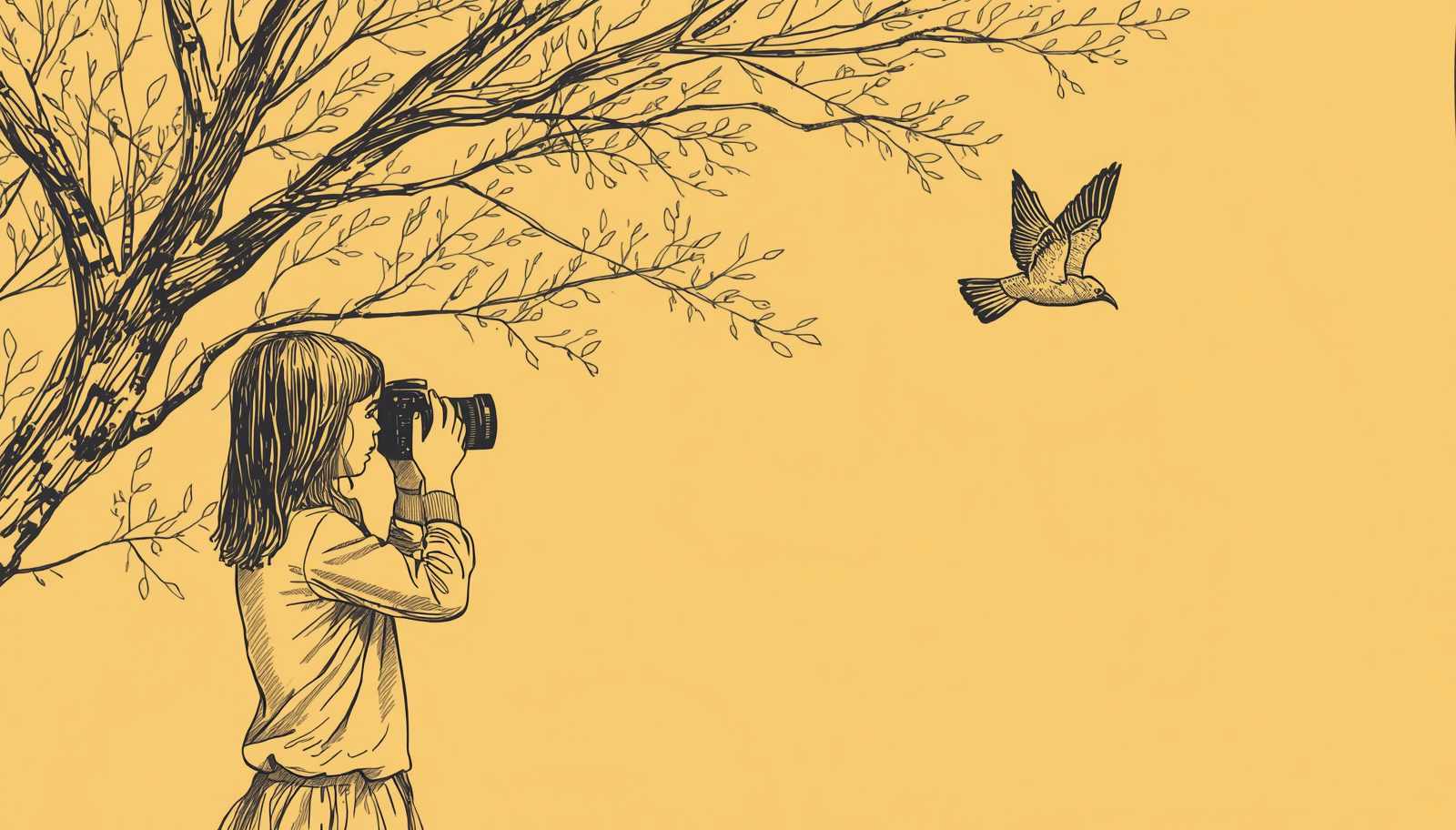
Because of the speed, the noise, and the (lack of) braking, I’ve had to develop some guidelines to make the most of these three-second sightings. I call it “on-road birding”. With nine years of this activity under my belt, I have some useful tips and tactics you can use to be a more effective birder than just a bird spotter.
Let’s dive in.
Ground Rules of On-Road Birding
Let me start with the disclaimer that on-road birding is an extremely restricted activity. You are just driving by, your field of vision is limited, you most likely won’t be able to hear bird calls or songs, and you get just seconds to observe the bird and imprint it in your memory for correct identification. The challenge of doing this in a running vehicle heightens the thrill of spotting new species—believe me, it’s a different kind of adrenaline rush.
Most of on-road birding is just bird spotting. So elite birders, stop reading right here and go plan your next birding trip. Beginners, stay with me.
- It’s best for amateurs: Like I said, you’ll rarely get the chance to watch the bird(s), enjoy their little activities, or take photographs from 10 different angles when you’re just driving by them. On-road birding, therefore, is best for beginners, because when you are just starting, your goal is to be able to spot birds quickly and identify them correctly.
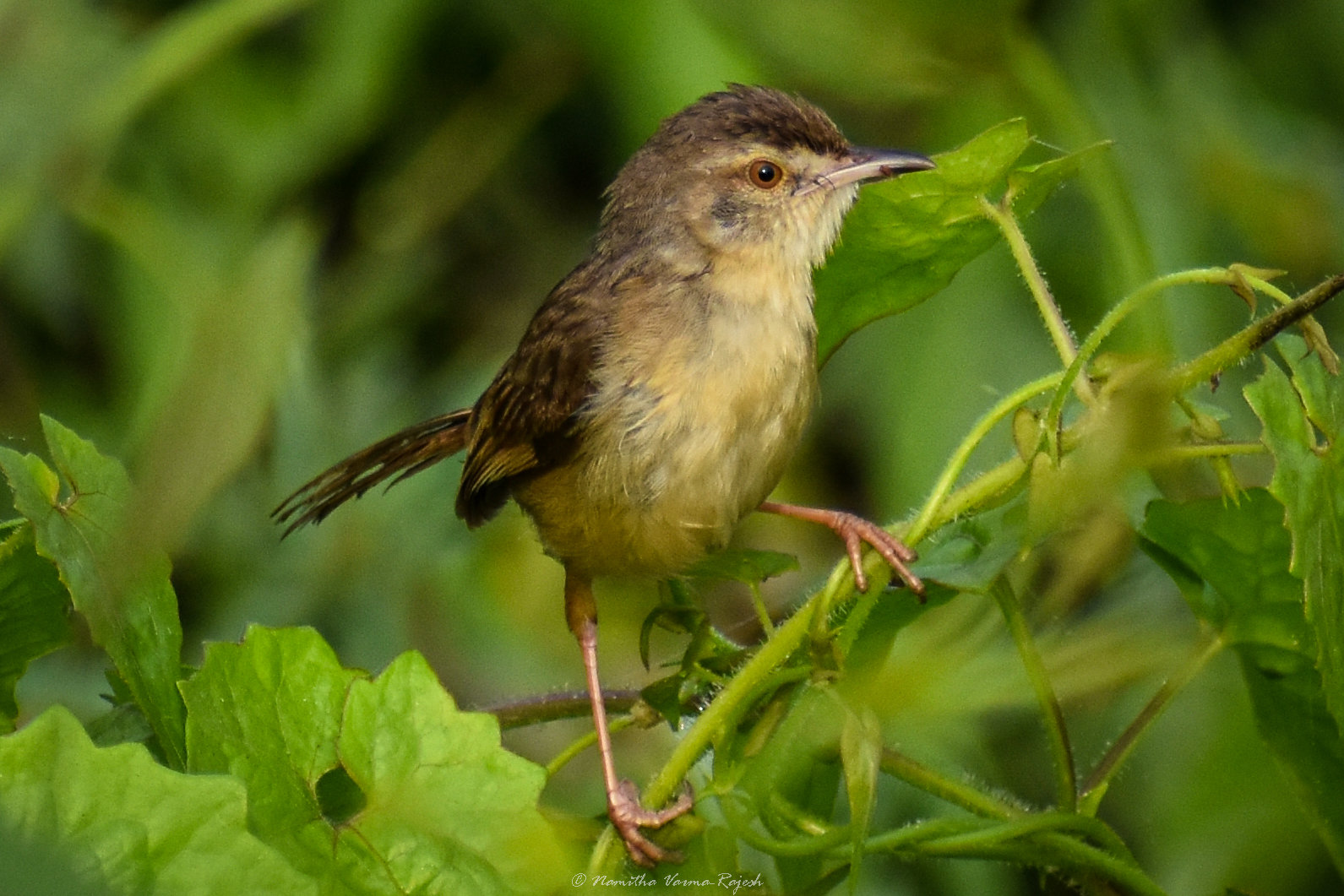
- It’s highly rewarding: While heading towards the forest or mountain areas maximises the potential of seeing more and varied bird species, even the dry highways can reward your patience. You can spot the unmistakable Common Hoopoes hopping on the roadside along dry, sunny highways, Black-winged Kites and Asian Woolly-necked Storks soaring over your head, White-breasted Waterhens foraging in small ponds, and Plain Prinias hiding among grass and reeds. You just need to look carefully.
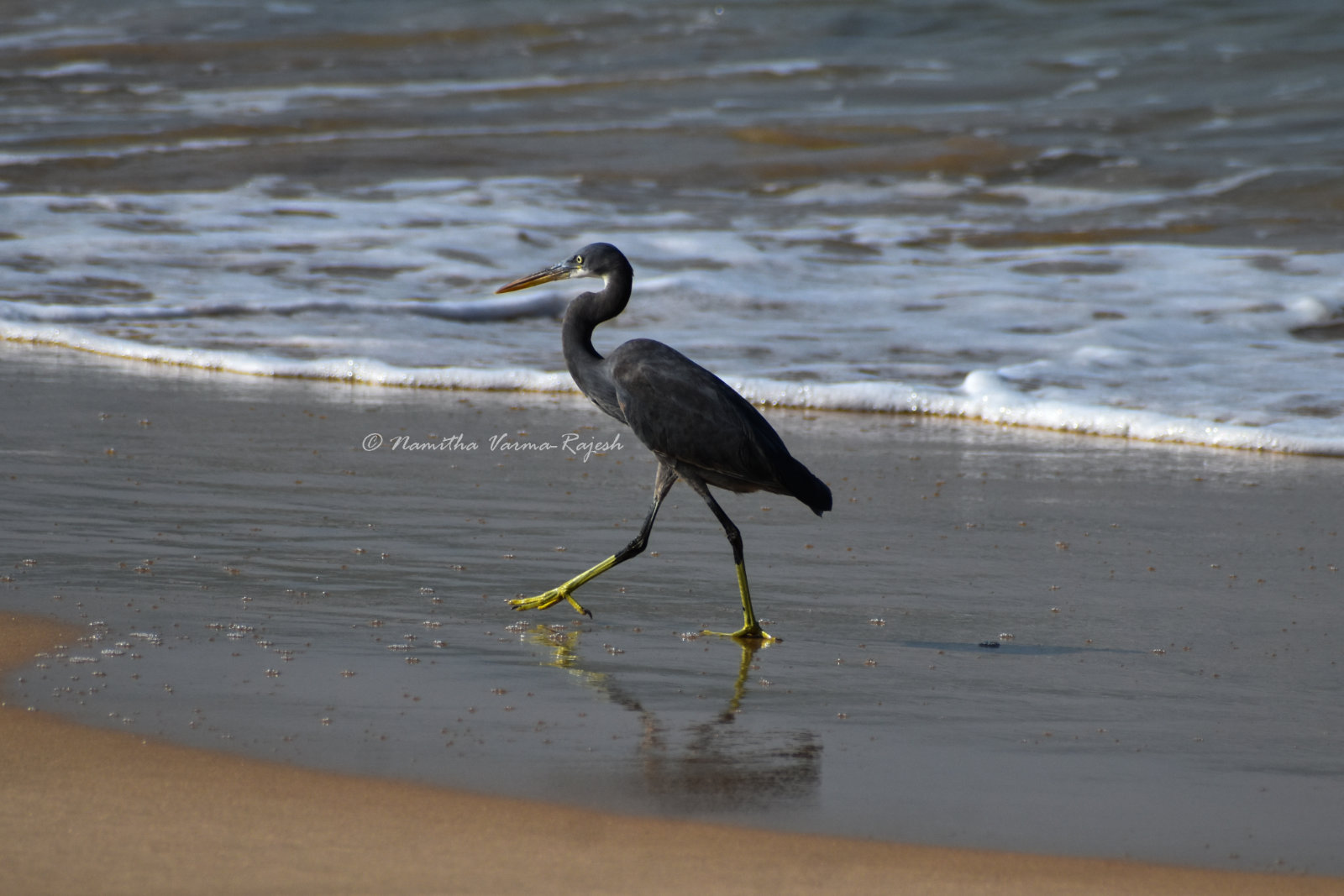
- It’s only for passengers: Drivers, for obvious reasons, cannot be taking their eyes off the wheel to look left, right, and overhead for birds. Front-seat passengers have the advantage of at least a 140° view, while backseat passengers will have a restricted one-side view. If your car has a sunroof, the possibilities expand considerably and you’ll be able to see the overhead flyers more clearly. Just make sure you don’t break your neck in the excitement of spotting a flock of grey herons flying home to roost.
Now that we’ve established who can play this high-speed ID game, let’s talk about how to spot, identify, and record the birds, like good, responsible birders.
How to Be a Pro On-road Birder
- Set your expectations right
You are not going to spot a new species every kilometre, or even every 10km. Set your expectations according to the areas you are passing through, and the time of the day.
If you are heading towards, returning from, or passing by waterbodies, mountains, or forests, your chances of spotting a bird increase 10-fold. Dry, sunny, and urban roads reveal fewer and more common species.
Similarly, early mornings and evenings are very rewarding, while afternoons are unlikely to show an on-road birder anything new.
- Observe. Carefully.
The key to seeing more birds on-the-go is to observe your surroundings meticulously, even at 100kmph. You need to know where to look. Here are the places you should look at as an on-road birder:
- Electric wires or telecom cables (your doves, drongos, and rollers converge here)
- On the ground near grasslands/fields (look for hoopoes, lapwings, pipits, babblers, and robins)
- Fields and wooded grasslands (frequented by peafowl, shrikes, coucals, francolins, and quails)
- Tree branches (a favourite with sunbirds, parakeets, bee-eaters, and barbets)
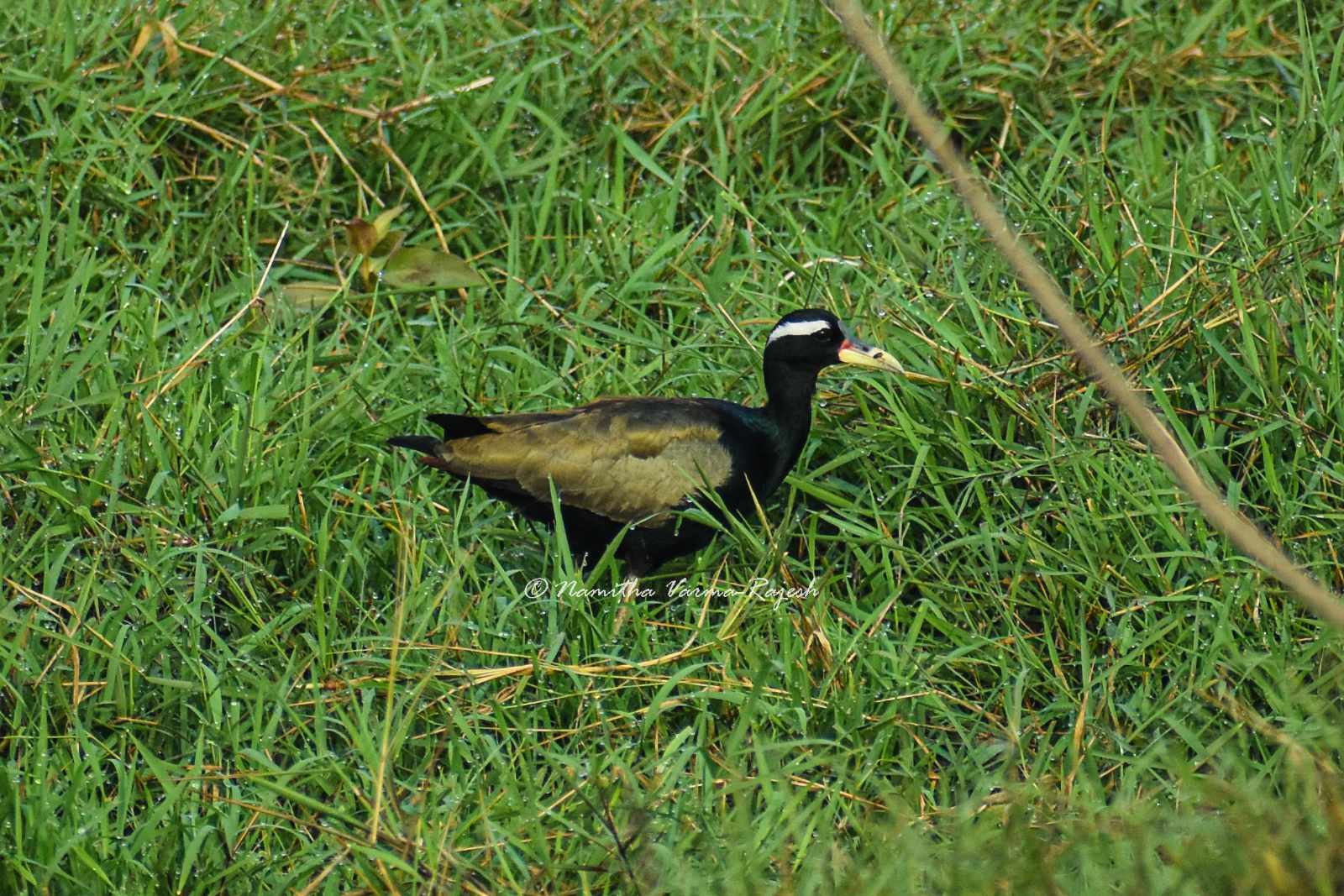
Whenever you stop for a break, spend a few minutes looking around the tea shop/restaurant. You won’t be disappointed. I saw a Bronze-winged Jacana for the first time in a wetland behind a tea shop in a small village in Odisha.
- Remember the bird
The fleeting view through your windshield may sometimes not be enough to help you identify a bird, especially if you are looking at similar species such as Black Drongo and Ashy Drongo.
So, what do you need to remember as an on-road birder? The acronym “CLoDABS”, which stands for:
- Colours: Note all the colours you see on the bird—feathers, beak, underparts, whatever you can.
- Location: You may need both geographic location and the micro-habitat—whether the bird was in trees or on electric wires.
- Distinctive Appearance: Not every bird may have this—for example an Indian Peacock’s train is distinctive, but a Jungle Babbler is a plain bird.
- Beak: Note the shape and length of the beak—it’s useful to recognise subtle differences between similar-looking birds such as Purple Sunbird and Loten’s Sunbird.
- Size: Keeping certain common birds as your yardsticks to compare sizes is one of the best ways to remember sizes. For example, a rufous treepie can be described as slightly smaller than a crow but larger than a mynah.
It takes practice to be able to take all of these in 3-5 seconds, but you will get there, trust me. I still remember the thrill of identifying a Pied Kingfisher while my husband was zipping through the spot at 80kmph!
- Identify the bird
Once you have noted the attributes described above, you need one of these “helpers” to identify your bird on-the-go:
- The birding app Merlin Bird ID (the easiest option)
Get Merlin for Android | Get Merlin for Apple
- Any field guide to birding (more tedious but good for deeper understanding. I recommend “A Field Guide to the Birds of the Indian Subcontinent” by Krys Kazmierczak and Ber Van Perlo or Helm Field Guides “Field Guide to Birds of the Indian Subcontinent”)
- Google Search or Gemini (you need an extremely strong descriptive search acuity for this. For example, the search for “a yellow and black myna-sized bird with black eye patch found in trees at Karwar” is more likely to give you the correct identification for Indian Golden Oriole than a search for “yellow and black bird india”)
- Start using a birding app
I enjoy recording my sightings, but it may not be important to you. However, I highly recommend using eBird, because it allows you to transform your hobby into a larger scientific cause.
Get eBird for Android | Get eBird for Apple
eBird is a birding app managed by Cornell Lab of Ornithology, which aims at powering data-driven approaches to science, conservation, and education about birds. Side note: the Merlin Bird ID I recommended earlier is its companion app, also managed by Cornell.
There are also other alternatives, such as Birda. Whatever app you like, I implore you to keep a record of the birds you see, and where you see them, and contribute to the ornithology world.
I hope this article has been helpful, and that you will become a pro on-road birder soon. If you liked this post then say hi on Instagram.
About the Author